🤖 Literally, in English
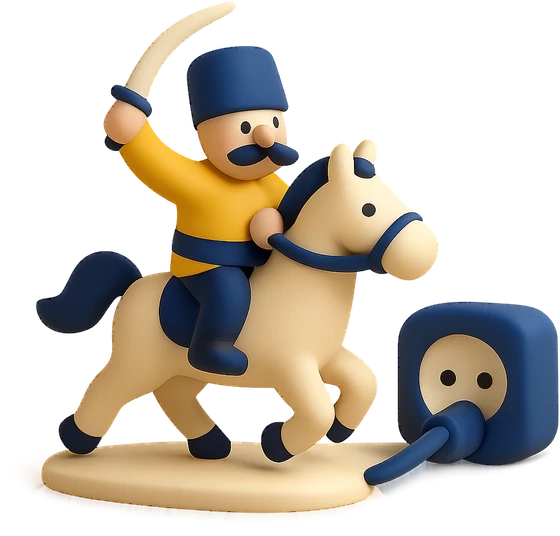
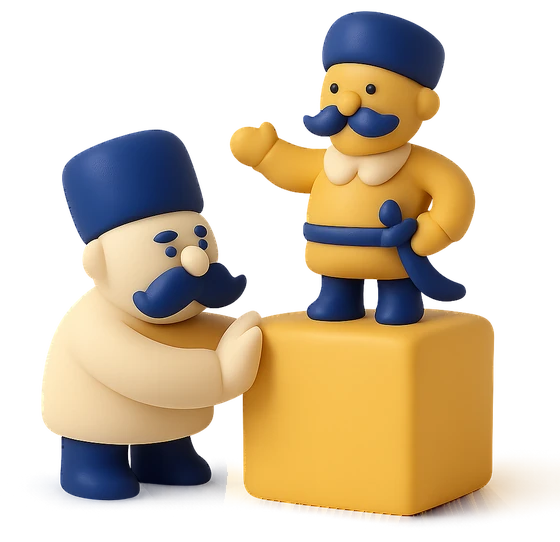
“Where there are two Ukrainians, there are three hetmans.”
Де два українці, там три гетьмани. De dva ukrayintsi, tam try hetmany
🤨 What does it ACTUALLY mean? →
🇬🇧 What you'd actually say
“Put two of us in a room and you get three leaders.”
also: “Everyone wants to be in charge.” · “Nobody here takes orders.”
- 📖 Meaning
- Ukrainians are famously independent-minded and reluctant to follow anyone.
- 💡 Why it's funny
- The arithmetic is the joke: two people somehow generate three leaders, which means at least one person is leading twice.
- 🧭 Closest English idiom
- No direct English equivalent. English has 'too many chiefs and not enough Indians', which is dated and increasingly avoided, and it is a complaint about organisations. This one is a nation making a joke about its own character, and English has nothing equivalent.
- 📝 Explanation
- Self-deprecating and affectionate. Said by Ukrainians about Ukrainians, usually during a disagreement about how to do something simple.
- 🏛 Cultural context
- A hetman was the elected military leader of the Cossack state — so the joke reaches back to a period when leadership genuinely was voted on, loudly and often.
🧠 Learn
- in charge (phrase) — having control or responsibility — головний, керує “Who's in charge here?”
- self-deprecating (adjective) — making fun of yourself in a modest way — самоіронічний “He has a self-deprecating sense of humour.”
🗣 In context
Дві години сперечалися про план. Де два українці, там три гетьмани.
Two hours arguing about the plan. Put two of us in a room and you get three leaders.
🎧 Hear the contrast
dontpushthehorses.xyz